Every well is different
Two homes on the same street can have completely different well water. One has a rotten-egg smell. The other has orange stains and spotty glasses. A third has water that looks like weak tea.
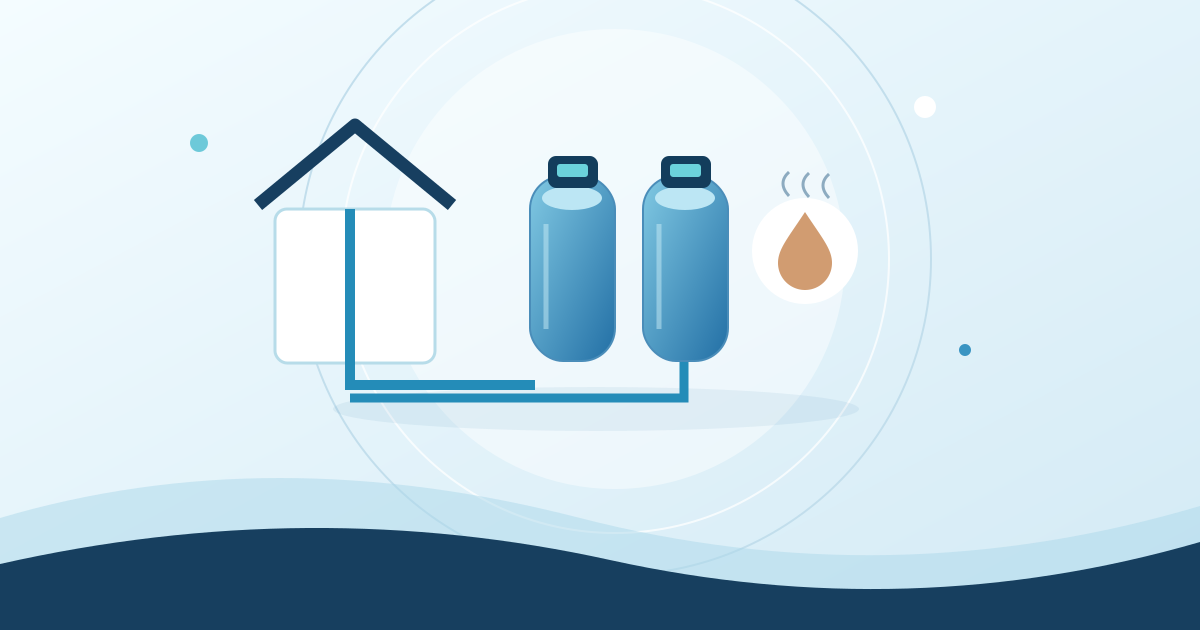
That's why a well water system can't be picked off a shelf. The right setup depends on what's in your water, how much you use and what your well pump can deliver.
In this guide we'll walk through the most common well water problems in South Florida, which treatment handles each one, and how to put them together in the right order.
Step one: test, don't guess
Before choosing equipment, find out what you're treating. A good starting point covers:
- Hardness, iron and manganese
- Hydrogen sulfide, the rotten-egg smell
- pH and total dissolved solids (TDS)
- Tannins, if the water has a yellow or tea color
- Chloride, especially near the coast
- Bacteria, nitrate and lead, which need a certified lab
UF/IFAS and the Florida Department of Health recommend testing private wells at least once a year for bacteria, nitrate, lead and pH. Our guide to preparing for your water test explains what to have ready. You can also learn more about water testing.
Common well water problems in South Florida
Most local wells draw from shallow limestone aquifers. That geology shapes what comes out of the tap:
- Hardness: calcium and magnesium from limestone cause scale, spots and dry skin.
- Iron and manganese: orange, brown or black stains on fixtures, laundry and driveways from irrigation.
- Hydrogen sulfide: the rotten-egg smell, often strongest in hot water. See our guide to sulfur and iron in well water.
- Tannins: natural organic matter that makes water yellow or tea-colored, common near wetlands and low areas.
- Sediment: sand and grit that wear valves and clog aerators.
- Bacteria: shallow wells can be affected by flooding, septic systems or a damaged well cap.
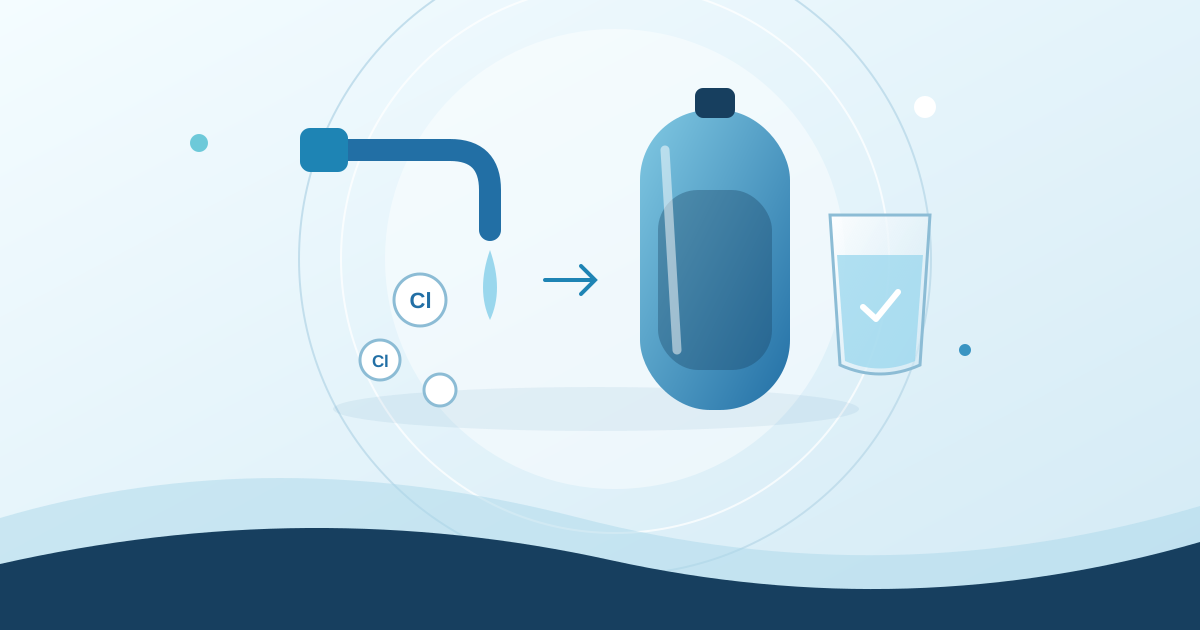
- Chloride: some coastal wells are affected by saltwater intrusion, which gives water a salty taste.
The right order for a well water system
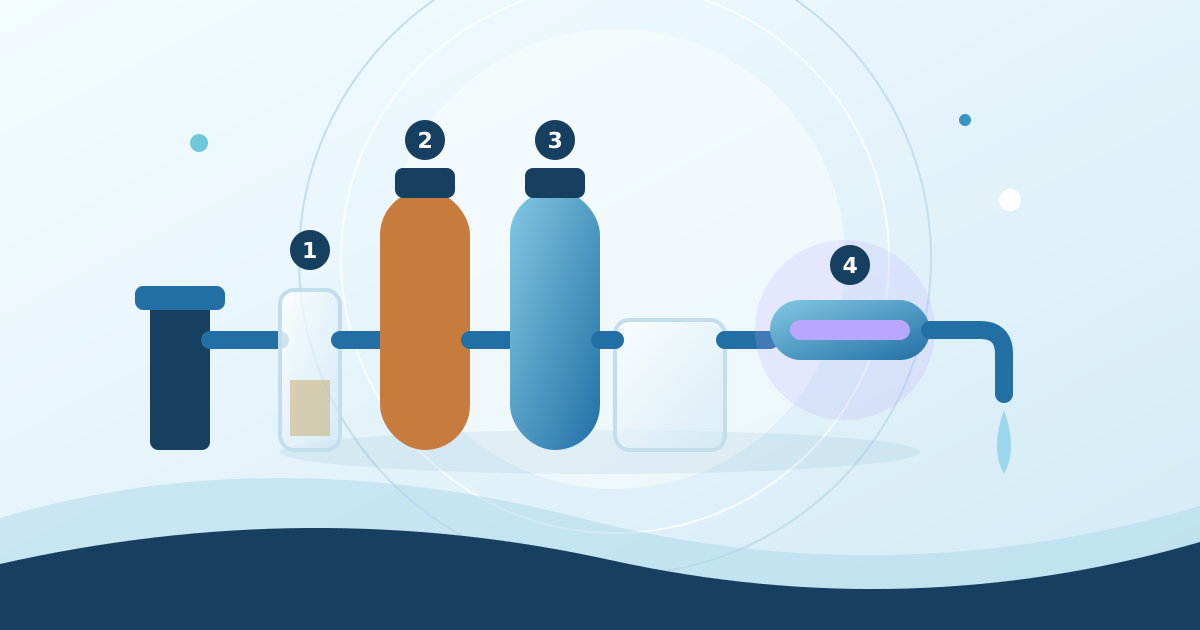
Each piece of equipment protects the one after it. A typical whole-home well system follows this order:
- Sediment filter: catches sand and grit so it doesn't damage the equipment downstream.
- pH correction, when needed: raises acidic water so it doesn't corrode plumbing. Many South Florida wells are already neutral or slightly alkaline, so this isn't always required.
- Iron and sulfur removal: air injection or chlorine injection with carbon oxidizes iron and sulfur so they can be filtered out.
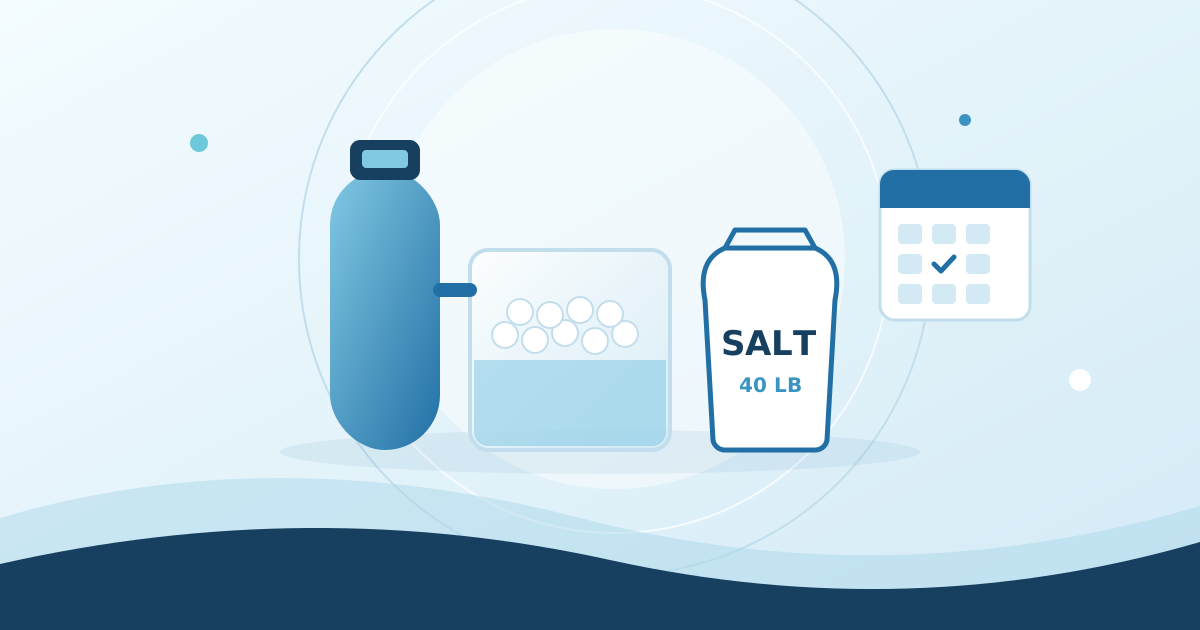
- Water softener: removes hardness. Placing it after iron removal protects the resin from fouling.
- Tannin removal, when needed: a special resin reduces color from organic matter.
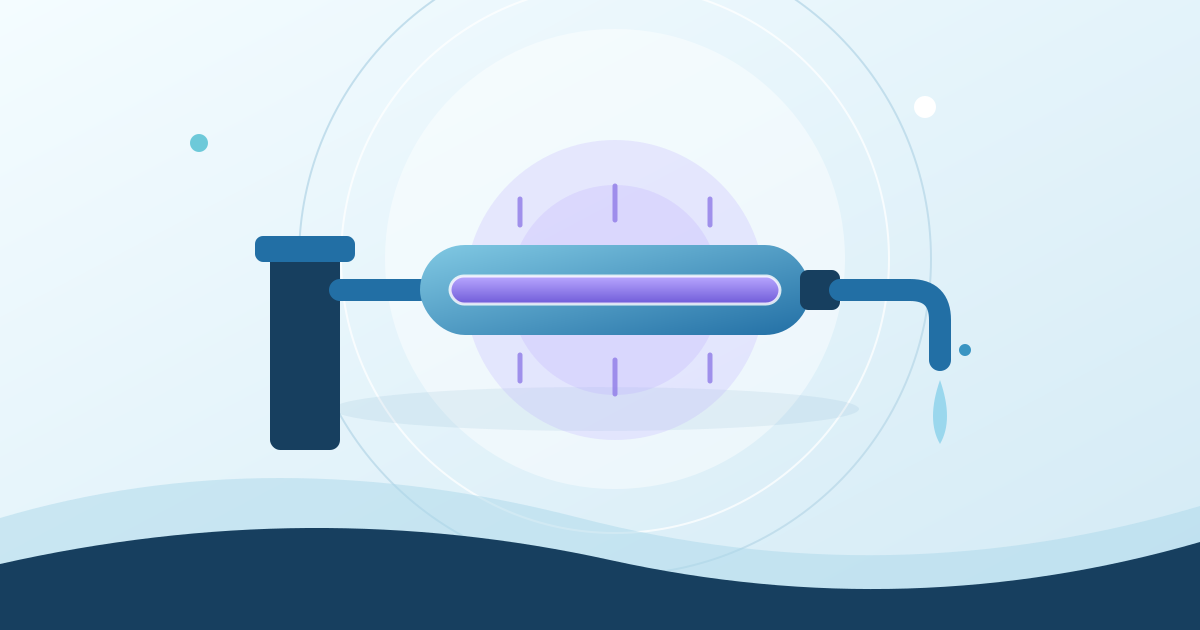
- UV disinfection: goes last, so it receives clear water and can do its job.
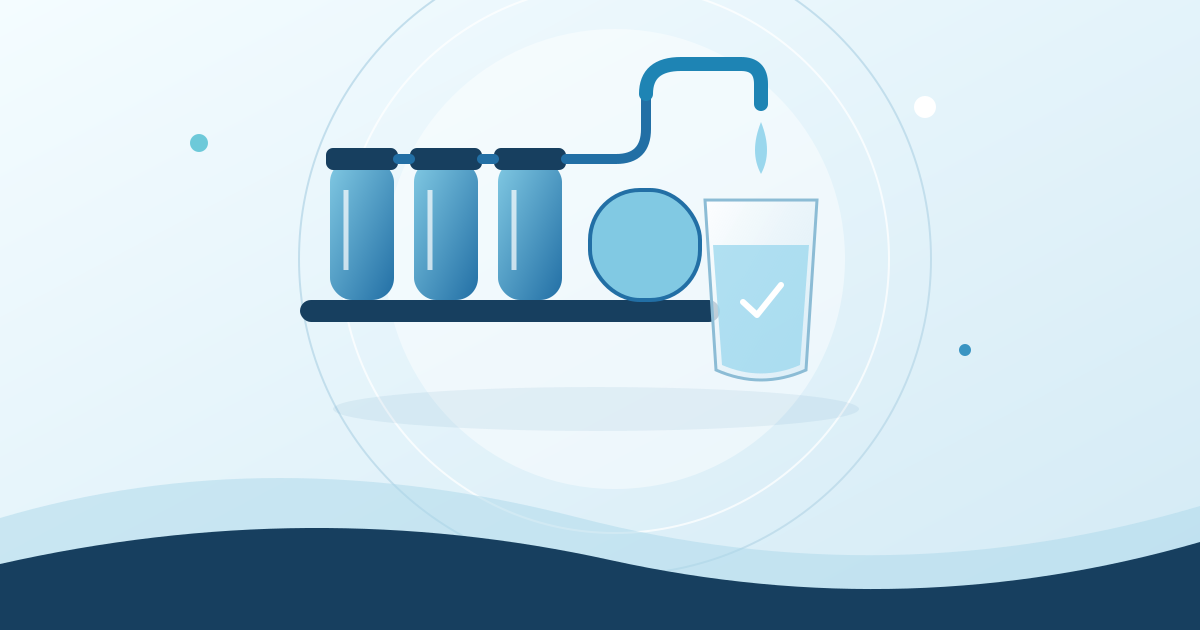
- Reverse osmosis at the kitchen sink: polishes drinking and cooking water, and reduces TDS, chloride and many other contaminants.
Not every home needs every step. The test results decide which ones are worth installing.
Why one-size-fits-all systems disappoint
Combination units and "whole-house well filters" promise to fix everything in one tank. They can work, but only within specific limits.
If iron is higher than the unit is rated for, it fouls the media. If sulfur is strong, the smell comes back within weeks. If the well pump can't supply enough flow to backwash the tank, the media never fully cleans itself and performance slowly fades.
That's why we look at the whole picture before recommending equipment: water chemistry, household size, number of bathrooms, irrigation and pump capacity.
Don't forget the well pump and pressure tank
Your well pump and pressure tank are part of the treatment system, even though they don't treat anything.
- Backwashing filters and softeners need a minimum flow rate to clean themselves.
- Each piece of equipment adds a little pressure loss, so the system should be sized so your showers still feel strong.
- Irrigation is often run on untreated water, which saves the treatment equipment from extra wear.
- After a storm or power outage, the pump, controls and UV all need power to work again.
We check the pump's flow and the pressure tank before sizing anything, so the system works with your well instead of against it.
How we design a well water system
We're a father-and-son team, and custom water treatment is how we work on every well.
- We test for hardness, iron, sulfur, pH and TDS on site, and recommend a certified lab for bacteria, nitrate and lead.
- We check your pump, pressure tank, plumbing and space.
- We design the system in the right order, size it to your home and explain every piece in plain English.
- You get a written estimate and a maintenance schedule for filters, salt and UV lamps.
Ready to fix your well water? Explore well water treatment, request a free water quality check or call us at (561) 870-3810. We serve Palm Beach, Broward, Martin and Miami-Dade counties.
Frequently asked questions
What kind of filter do I need for well water in South Florida?
It depends on your test results. Many South Florida wells need a combination: a sediment filter, iron and sulfur removal, a water softener for hardness, and sometimes UV for bacteria and reverse osmosis for drinking water. A test tells you which steps you actually need.
In what order should well water treatment be installed?
A typical order is sediment filter, then pH correction if needed, then iron and sulfur removal, then the water softener, then UV disinfection last. Reverse osmosis usually goes under the kitchen sink for drinking water. Each step protects the next one.
Why is my well water yellow or tea-colored?
A yellow or tea color that doesn't settle out is often caused by tannins, natural organic matter from decaying plants. It's common in wells near wetlands and low-lying areas. Tannins need specific treatment, and they should be confirmed by testing because iron can look similar.
Can one system fix all my well water problems?
Usually not. Hardness, iron, sulfur, bacteria and tannins each respond to different treatment. Combination units exist, but they work best within specific limits. A system designed around your test results is more reliable than a one-size-fits-all filter.
Does my well pump affect which filters I can use?
Yes. Backwashing filters and softeners need a certain flow rate to clean themselves. If your well pump can't deliver that flow, the media won't clean properly and the system loses performance. We check your pump and pressure tank before sizing equipment.
Sources
Clear recommendations, a written estimate and support after installation.
Let’s talk about your water ↗General guidance. Treatment recommendations depend on your water, equipment and test results. About water testing.