A smell you notice the moment you turn on the shower
You fill a glass at the kitchen sink and it smells a little like the community pool. Or the shower suddenly smells stronger than it did last month. Your neighbors notice it too.
On city water in South Florida, that is one of the most common things people ask us about. The good news: it usually isn't a sign that something is wrong. It's a sign your utility is doing its job. But that doesn't mean you have to like the taste.
In this guide we'll cover why disinfectant is in your water, the difference between chlorine and chloramine, why the smell can change during the year, and which filters actually help.
Why is there chlorine in city water at all?
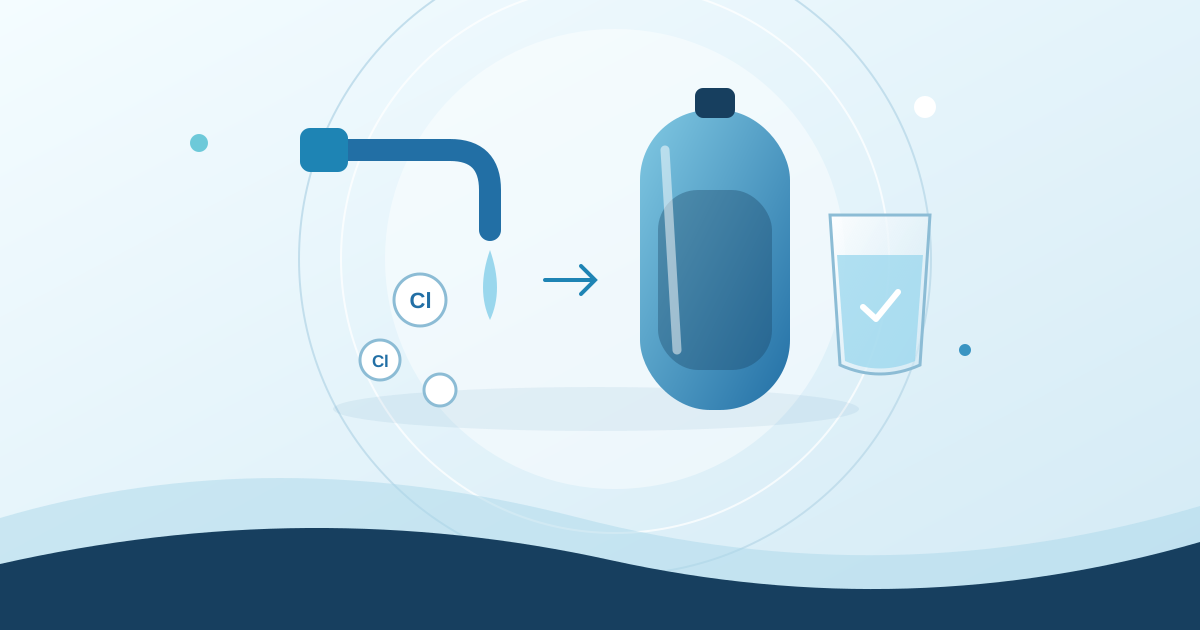
Water travels a long way from the treatment plant to your faucet, through miles of underground pipe. Utilities add a disinfectant so bacteria can't grow along the way. Federal rules require public water systems to keep a small amount of disinfectant in the water all the way to the tap.
The U.S. EPA sets the maximum level for chlorine and for chloramine at 4 mg/L (as Cl2), averaged over the year. Typical tap water carries far less than that. Many people can still taste or smell it at low levels, especially in a glass of cold water or in a steamy shower.
Chlorine vs. chloramine: what's the difference?
Utilities use two main disinfectants, and many in South Florida use chloramine.
Free chlorine
Chlorine works fast and has a sharper, more noticeable smell. It breaks down relatively quickly, which is why a pitcher of water left in the fridge often tastes better the next day.
Chloramine
Chloramine is chlorine combined with a small amount of ammonia. It lasts longer in the pipes and tends to form fewer disinfection byproducts, so many large utilities switched to it. The trade-off for homeowners: it doesn't evaporate out of a pitcher the way chlorine does, and it is harder for ordinary carbon filters to remove.
Your utility's annual water quality report (often called a Consumer Confidence Report or CCR) tells you which one it uses. You can usually find it on the utility's website by searching for its name plus "water quality report."
Why the smell gets stronger at certain times of year
Many South Florida utilities that use chloramine periodically switch to free chlorine for a few weeks. It's routine pipe maintenance that helps keep the distribution system clean. Utilities usually announce these "temporary disinfectant changes" on their websites and local news.
During that window, many homes notice a stronger pool-like smell. Other things that can make it more noticeable:
- Living close to the treatment plant or a booster station, where disinfectant levels are higher
- Hot, steamy showers, which release more of the smell into the air
- Cold water straight from the tap, where taste is more noticeable to many people
- Recent main breaks or flushing in your neighborhood
If the smell is sudden and very strong, or it comes with a color change or unusual taste, call your utility. They can tell you whether work is going on in your area.
Is it safe? And when it's worth looking closer
At the levels used in public water, chlorine and chloramine are considered safe to drink, according to the EPA. The bigger everyday complaints are taste, smell, and dry skin or hair for some people.
A few situations call for extra care:
- Aquariums and ponds. Chlorine and chloramine are harmful to fish and must be removed first. Products that only remove chlorine may not handle the ammonia in chloramine.
- Home dialysis. Patients need water treated specifically for dialysis. Your care team will handle this.
- Older homes. A "metallic" taste or blue-green stains are a different issue that points to plumbing, not disinfectant. That's worth a test.
Quick fixes you can try today
- Chill a pitcher of water in the fridge. Cold water tastes cleaner to most people, and free chlorine fades over a day or so.
- Use a pitcher or faucet filter rated for chlorine taste and odor. Check the packaging: some are also certified for chloramine, many are not.
- Run the cold tap for 30 seconds in the morning if water has been sitting in your pipes overnight.
These help with drinking water, but they don't touch the shower, the laundry or the ice maker. That's where whole-home filtration comes in.
How whole-home filtration handles chlorine and chloramine
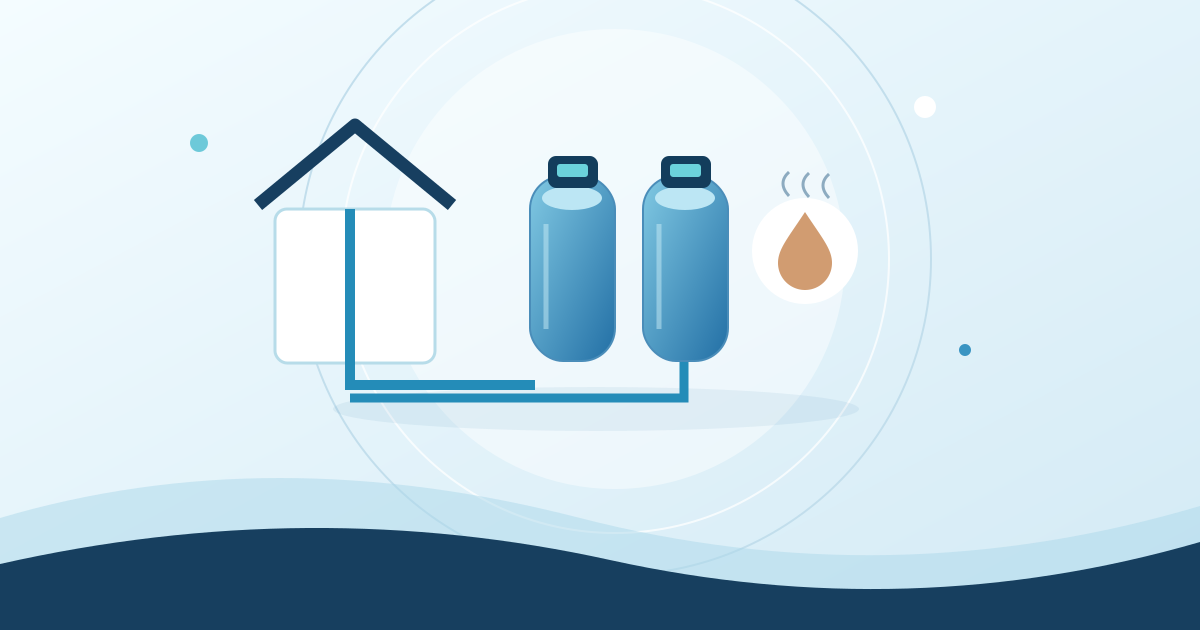
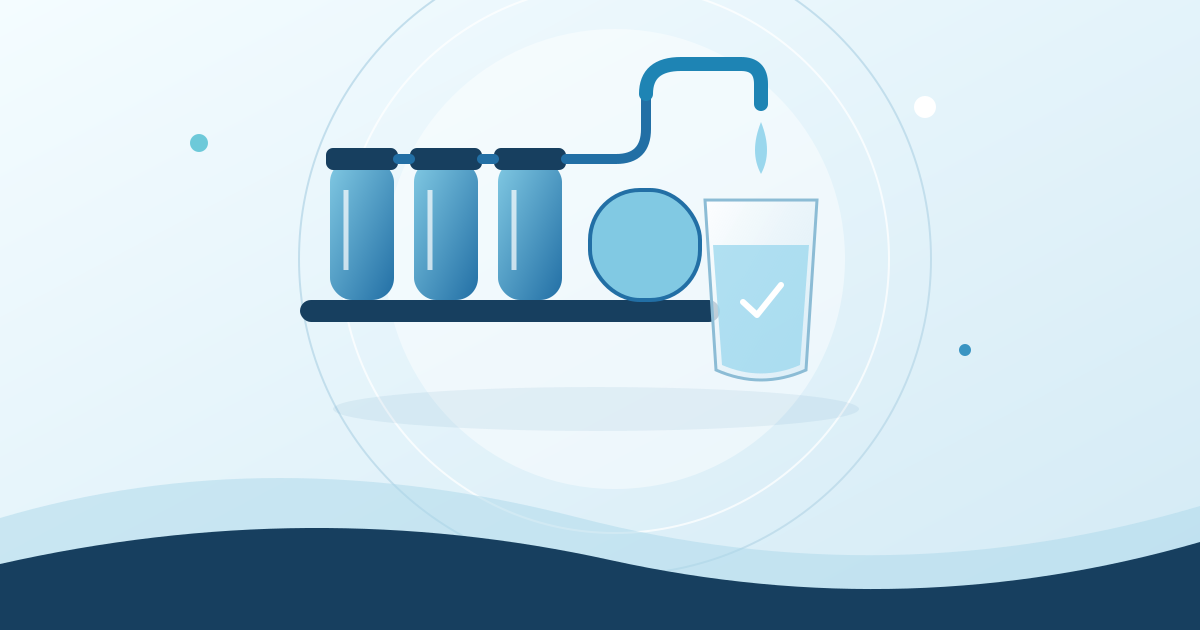
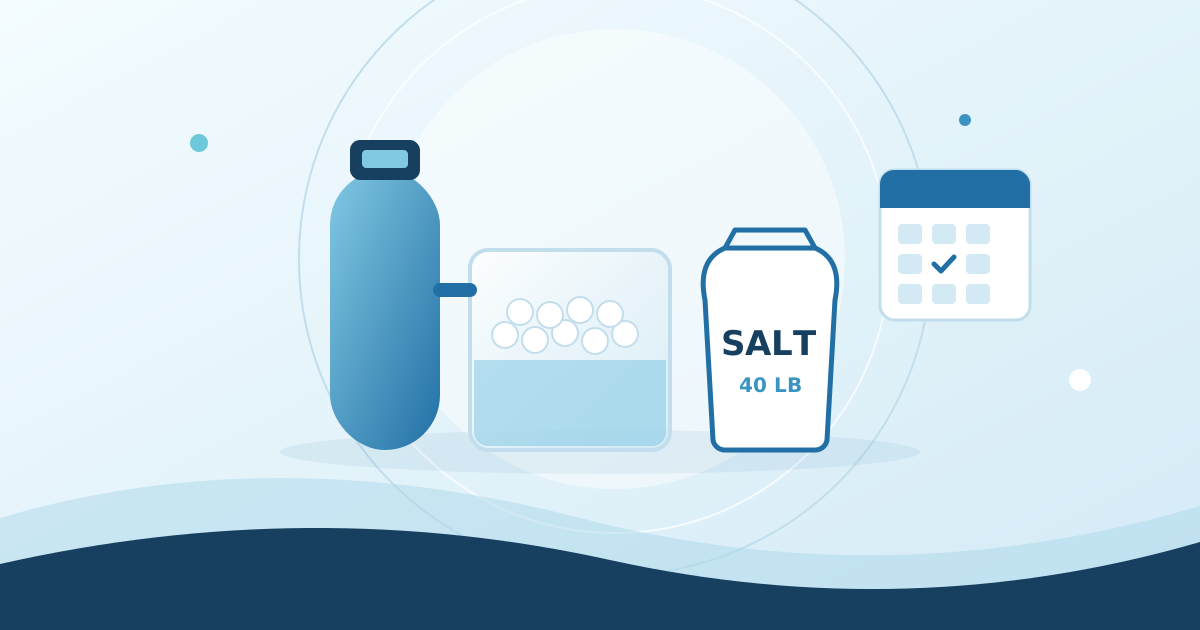
A whole-home (point-of-entry) carbon system treats water where it enters the house, so every tap, shower and appliance gets filtered water.
- For chlorine, standard activated carbon works well.
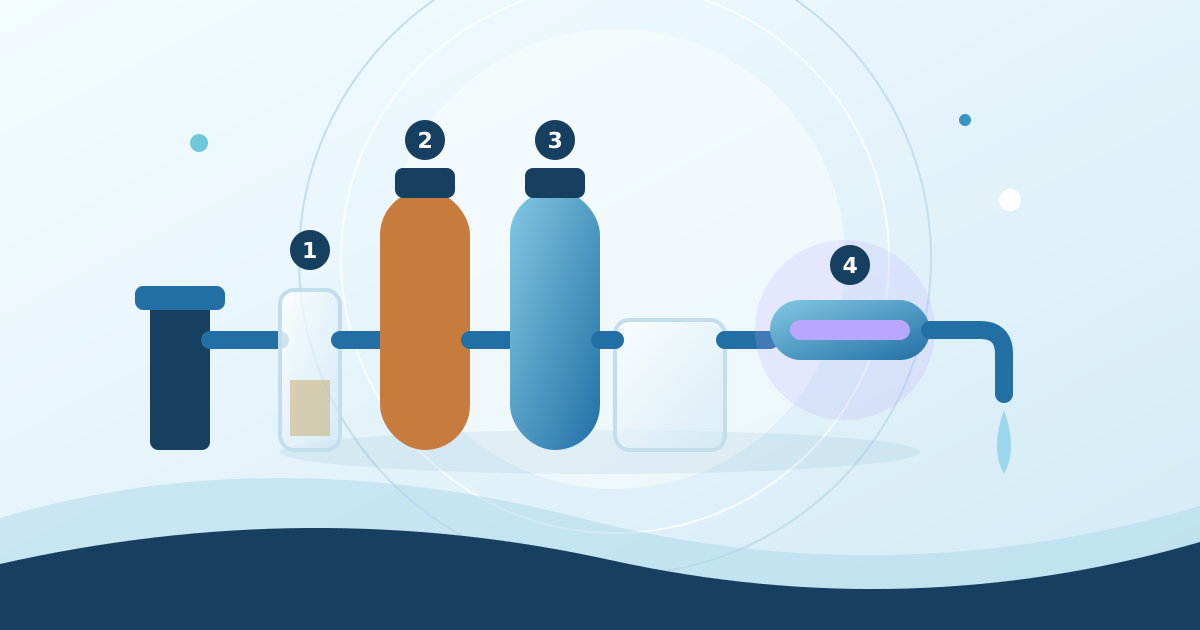
- For chloramine, look for catalytic carbon. It's processed to break chloramine down much more effectively, and it needs more contact time, so the tank has to be sized for your household's flow rate.
- A sediment pre-filter protects the carbon from sand and debris and helps it last longer.
A few honest limits: carbon doesn't soften water, and it won't fix scale or spots. If your water is also hard, a carbon tank and a water softener often work as a pair. For the cleanest drinking water at the kitchen sink, some families add a reverse osmosis system on top.
How we approach city water: test first, then decide
We're a father-and-son team, and we'd rather look at your water than guess.
- You tell us what bothers you. Smell, taste, dry skin, spots, or all of the above.
- We check your tap. Chlorine level, hardness, TDS and pH, so we know whether you need carbon, softening, both, or neither.
- You get a written estimate. We size the system to your home and flow, and explain when the media needs replacing.
Curious what's in your water? Request a free water quality check or call us at (561) 870-3810. We serve Palm Beach, Broward, Martin and Miami-Dade counties.
Frequently asked questions
Why does my tap water smell like chlorine?
Utilities add a small amount of chlorine or chloramine so bacteria can't grow in the pipes on the way to your home. Many people can smell it at normal levels. It often gets stronger when a utility temporarily switches from chloramine to free chlorine for routine maintenance.
Is chlorine in tap water safe to drink?
At the levels used in public water systems, the EPA considers chlorine and chloramine safe to drink. The EPA limit is 4 mg/L, and typical tap water is well below that. The usual complaints are taste and smell rather than health.
Does boiling or letting water sit remove chloramine?
Letting water sit helps with free chlorine, which fades over time. Chloramine is much more stable and doesn't leave quickly by standing or brief boiling. Catalytic carbon filtration is a more reliable way to reduce it.
Will a regular carbon filter remove chloramine?
Some will reduce it, but chloramine is harder to remove than chlorine. Catalytic carbon is designed for it and needs enough contact time, so the filter has to be sized for your water flow. Check that a product is certified for chloramine reduction.
How do I know if my utility uses chlorine or chloramine?
Check your utility's annual water quality report, also called a Consumer Confidence Report. It lists the disinfectant used. You can also call the utility. FNSWater Treatment can check your tap during a free water quality visit.
Sources
Clear recommendations, a written estimate and support after installation.
Let’s talk about your water ↗General guidance. Treatment recommendations depend on your water, equipment and test results. About water testing.