The bottled-water question
Look in a lot of South Florida garages and you'll find the same thing: cases of bottled water. They're heavy, they take up space, and the cost adds up month after month.
That's usually when people start asking about reverse osmosis. It's one of the most effective ways to treat drinking water at home. But it isn't magic, and it isn't right for every house.
In this guide we'll explain how RO works, what it removes and what it doesn't, what upkeep looks like, and when it makes the most sense.
How does reverse osmosis work?
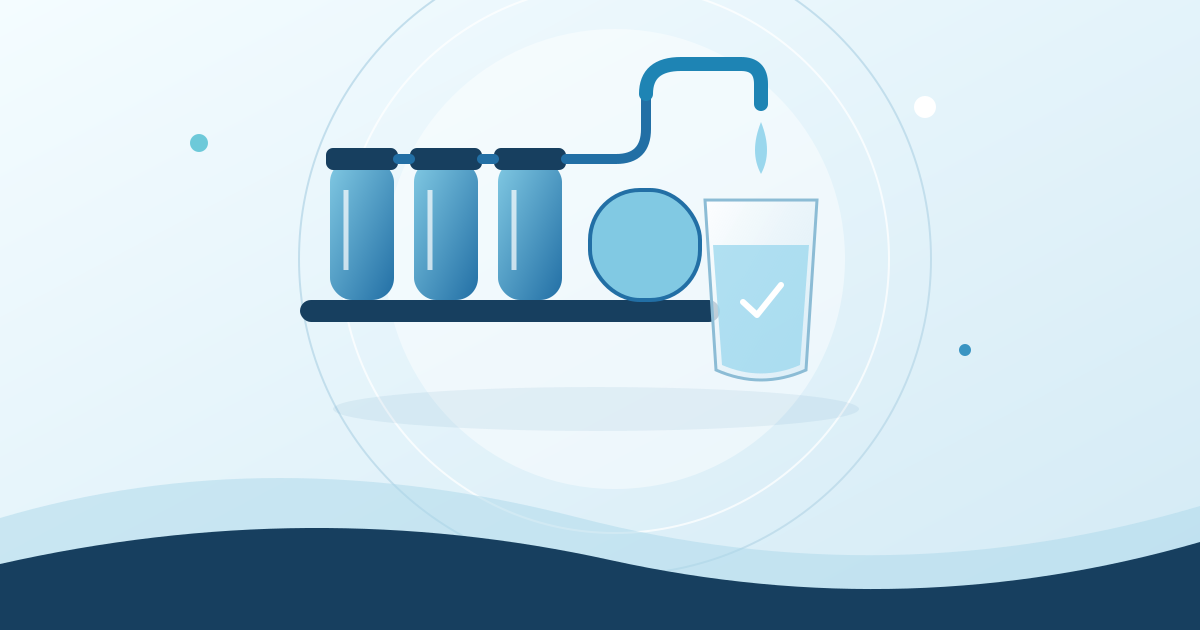
A reverse osmosis system pushes water through a very fine membrane. Water molecules pass through. Most dissolved minerals, salts and many contaminants don't. They get rinsed down the drain.
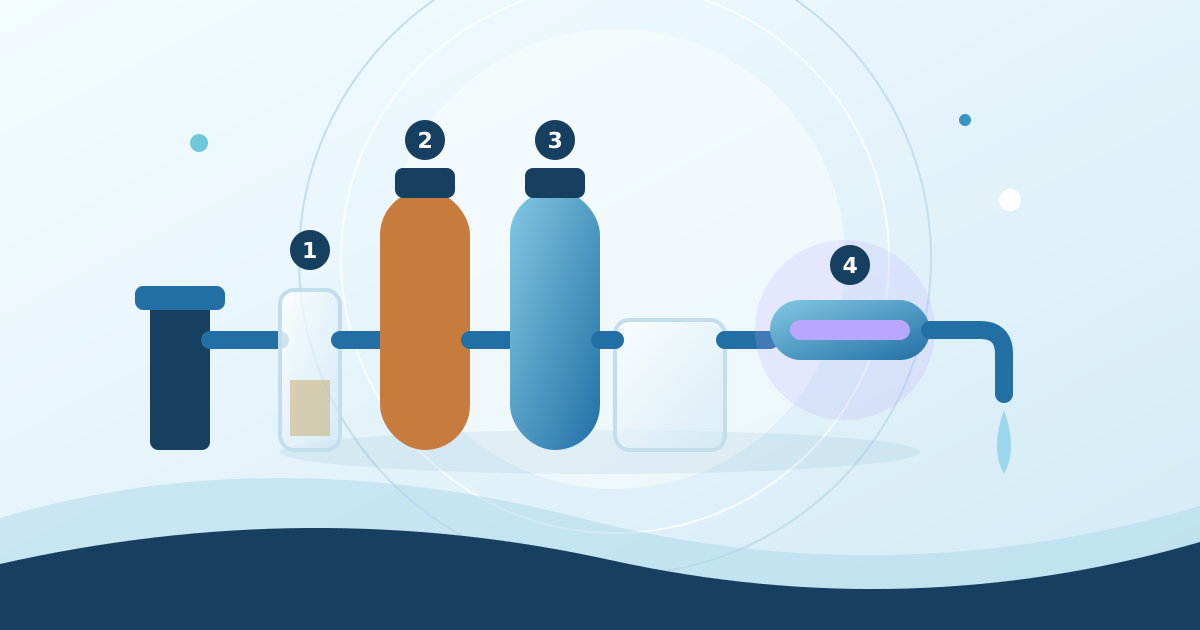
A typical under-sink system has several stages:
- A sediment pre-filter that catches sand, rust and particles
- A carbon pre-filter that removes chlorine and chloramine, which can damage the membrane
- The RO membrane itself
- A small storage tank, so water is ready when you open the faucet
- A carbon post-filter that polishes taste on the way out
The filtered water comes out of its own small faucet at the kitchen sink. Many families also connect it to the refrigerator for cleaner ice and drinking water.
What RO removes, and what it doesn't
A certified RO system can greatly reduce a long list of things. Exact results depend on the product, so look for certification to NSF/ANSI Standard 58 for the specific contaminants you care about.
Commonly reduced
- Total dissolved solids (TDS), including sodium added by a water softener
- Lead, arsenic and other metals
- Nitrate and nitrite, a concern for some private wells
- Fluoride
- PFAS (PFOA and PFOS) on systems certified for them
- Chlorine taste and odor, thanks to the carbon stages
Not what RO is for
- Bacteria and viruses. RO is not a disinfection system. If a well has a bacteria problem, that needs to be solved at the source, often with UV treatment.
- Whole-house problems. RO treats one or two taps, not your shower, laundry or water heater.
- Heavy iron or hardness. High iron and hard water can foul the membrane quickly, so they're usually treated before the RO.
Why RO and softeners often go together
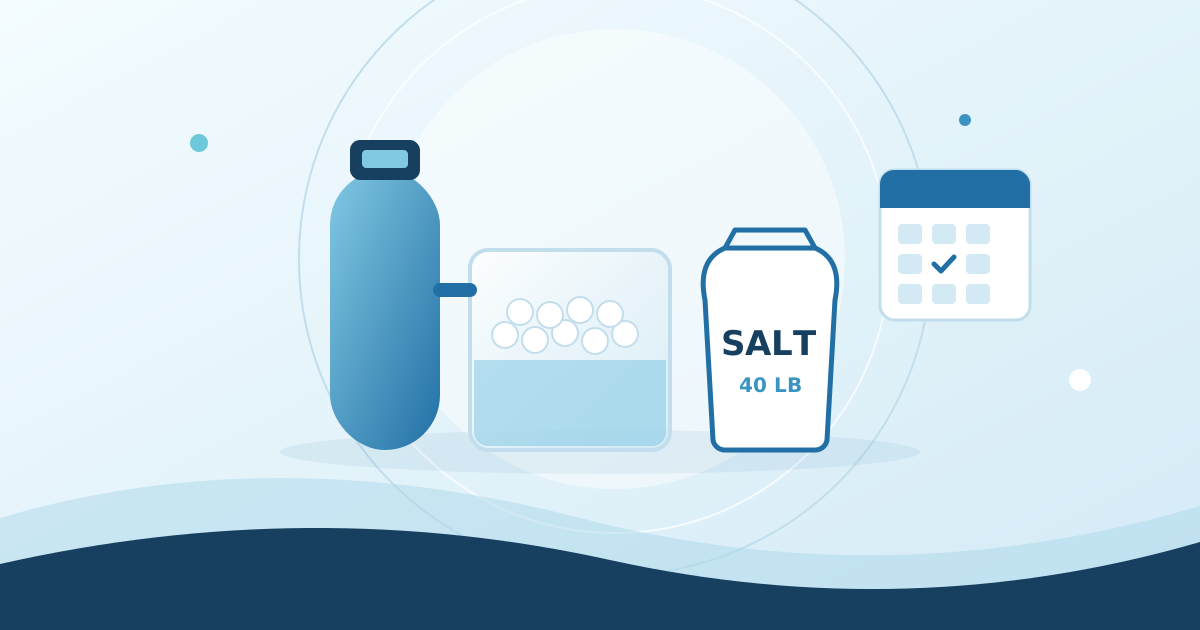
A water softener protects your plumbing and appliances from scale. But softening swaps calcium and magnesium for a small amount of sodium. For most people that's not a concern, but some prefer not to drink it, especially anyone on a sodium-restricted diet.
RO removes most of that sodium at the kitchen sink. And because softened water is easier on the membrane, the RO lasts longer. That's why the pair is so common in South Florida homes, especially on well water.
The honest trade-offs
- It sends some water down the drain. RO needs to rinse the membrane as it works. Older systems could waste four gallons or more for every gallon of clean water; newer efficient designs do much better. Ask about the ratio before you buy.
- It's slower than a regular tap. Water is made slowly and stored in a tank. A big family filling several jugs at once can run the tank down for a while.
- It removes minerals, too. That's the point, but some people find very pure water tastes flat. A remineralization stage can add a little calcium and magnesium back for taste.
- It needs a bit of space under the sink, plus a spot for the faucet and a drain connection.
What upkeep looks like
RO isn't set-and-forget, but it isn't hard either. Typical intervals, which vary by water quality and use:
- Pre-filters and post-filter: about every 6 to 12 months
- Membrane: about every 2 to 5 years
- Tank pressure check and sanitizing: when filters are changed
The most common problem we see isn't a bad system. It's a good system nobody has serviced in years. Old carbon stops protecting the membrane, and the water quietly gets worse. A simple TDS check tells you if it's still working. If you'd rather not think about it, a maintenance plan handles the reminders and the filter changes.
When RO makes the most sense
Reverse osmosis is usually a great fit when:
- You buy bottled water and would rather not
- You have a softener and want lower-sodium drinking water
- You're on a private well and a test shows nitrate, arsenic or high TDS
- Your utility report or a test shows a contaminant you want reduced, such as PFAS or lead from older plumbing
- You simply want great-tasting water for coffee, cooking and ice
It may not be the first step if your main complaint is a smell in the shower, stains in the laundry, or scale on fixtures. Those are whole-home problems, and RO only treats the kitchen.
How we approach it: test first, then decide
We test before we recommend anything, because the right RO setup depends on what's going into it.
- We check hardness, TDS, pH and chlorine, plus iron and sulfur on well water.
- We tell you whether you need pretreatment first, so the membrane isn't ruined in a year.
- You get a written estimate and a clear filter schedule, so you know what upkeep costs before you buy.
Curious what's in your water? Request a free water quality check or call us at (561) 870-3810. We serve Palm Beach, Broward, Martin and Miami-Dade counties.
Frequently asked questions
Is reverse osmosis water safe to drink?
Yes. RO water is widely used for drinking and cooking. It has fewer minerals than tap water, and most people get those minerals from food. If you prefer the taste of water with some minerals, a remineralization stage can add a little back.
Does reverse osmosis remove bacteria?
RO is not designed or certified as a disinfection system. If you're on a well with bacteria, the source should be fixed and the water disinfected, often with UV treatment. RO is for reducing dissolved contaminants.
How much water does an RO system waste?
It depends on the system and your water pressure. Older designs could send four or more gallons to the drain for each gallon of filtered water. Newer efficient systems do much better. Ask for the efficiency rating before you buy.
How often do RO filters need to be changed?
Pre-filters and the post-filter are typically changed about every 6 to 12 months, and the membrane about every 2 to 5 years. Hard water, iron or heavy use can shorten that. A TDS check shows whether the membrane is still working.
Do I need a softener if I get reverse osmosis?
Not always. RO only treats drinking water at one or two taps. If you have scale on fixtures, in the water heater or on shower glass, a softener handles that for the whole home. Many homes use both, and softened water also helps the RO membrane last longer.
Sources
- U.S. EPA: Steps you can take to reduce PFAS exposure, including certified home filters
- U.S. EPA: Secondary Drinking Water Standards: guidance for nuisance chemicals such as TDS, iron and chloride
- UF/IFAS: Household Drinking Water Testing for Public and Private Water Supplies
- U.S. EPA: Consumer Confidence Reports (annual water quality reports)
Clear recommendations, a written estimate and support after installation.
Let’s talk about your water ↗General guidance. Treatment recommendations depend on your water, equipment and test results. About water testing.