When water becomes a business problem
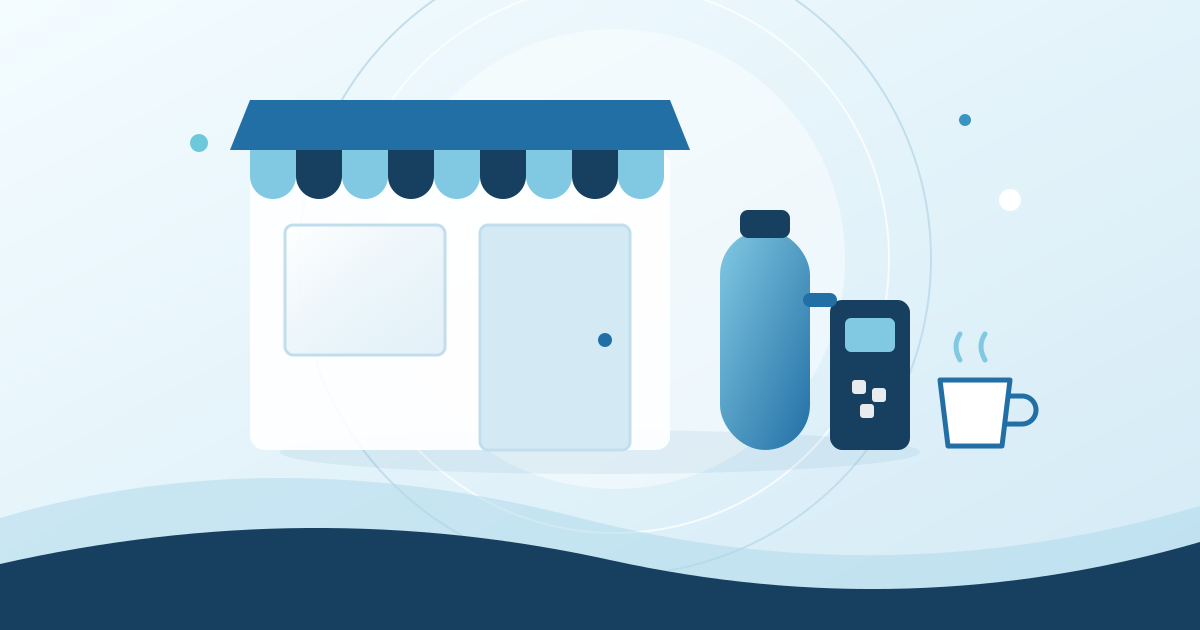
The ice machine needs another descaling. The coffee tastes off, and regulars notice. The commercial dishwasher leaves spots on every glass, so someone re-washes them by hand.
For a home, hard water is an annoyance. For a business, it shows up as repair bills, downtime, wasted labor and customers who quietly go elsewhere.
In this guide we'll look at how water affects commercial equipment in South Florida, what treatment usually makes sense, and how to size a system so it keeps up on your busiest day.
Why South Florida water is hard on equipment
Most of our drinking water comes from the Biscayne and Floridan aquifers, which run through limestone. That limestone adds calcium and magnesium, so many local utilities deliver moderately hard to hard water, and private wells are often harder still.
Heat makes the problem worse. Hardness drops out of the water as scale whenever water is heated or evaporated, which is exactly what ice machines, steamers, espresso boilers, water heaters and dishwashers do all day.
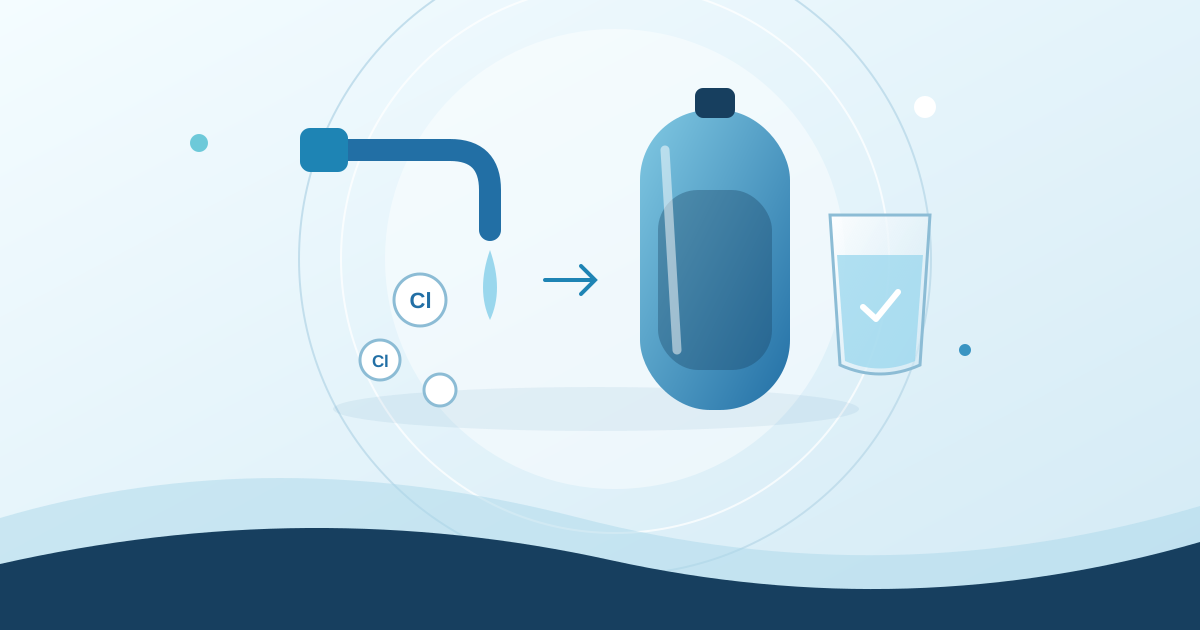
City water adds a second issue. Utilities disinfect with chlorine or chloramine, which can affect the taste of coffee, tea, fountain drinks and ice. You can read more in our guide to hard water in South Florida.
Who needs commercial water treatment?
Any business that heats, chills, serves or relies on water benefits from knowing what's in it. The most common are:
- Restaurants, cafes and bars: ice machines, coffee and espresso equipment, fountain drinks, steam ovens and dishwashers
- Salons and spas: hair color results, shampoo bowls, towel laundry and fixtures that guests see
- Offices and clinics: break rooms, drinking water and water heaters
- Laundromats and car washes: spot-free rinsing, detergent use and heater efficiency
- Property managers and HOAs: common-area water, multi-unit buildings and amenity spaces
Matching treatment to the job
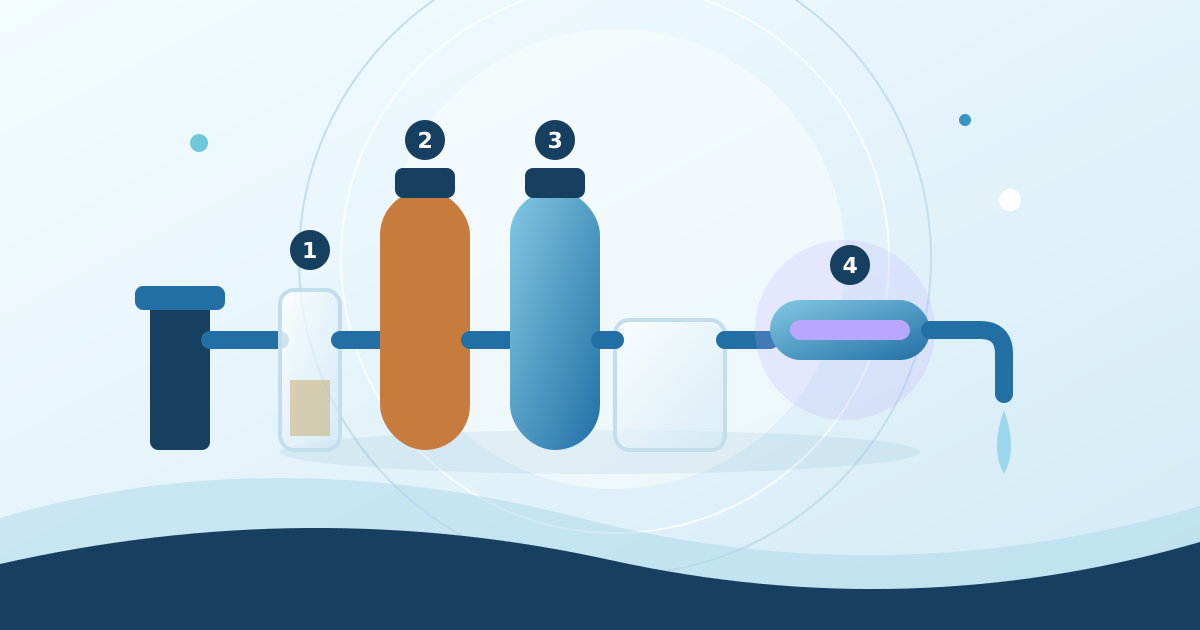
Commercial water treatment is rarely one machine. It's usually a combination, chosen for each use point:
- Water softeners remove hardness before it becomes scale in heaters, dishwashers and plumbing.
- Whole-building filtration with carbon reduces chlorine and chloramine for better taste and odor at every tap.
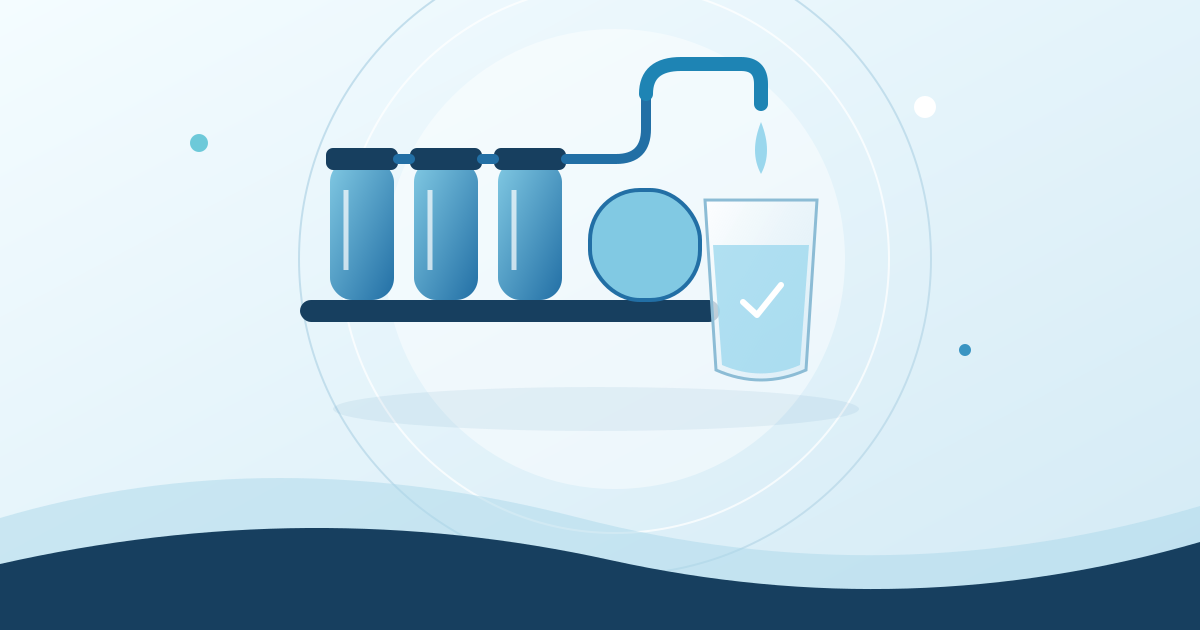
- Reverse osmosis produces very low-mineral water for drinks, spot-free rinsing or specific equipment.
- Point-of-use filters protect a single machine, like an ice maker or espresso machine, right where the water enters it.
- UV disinfection and iron and sulfur removal are common when the business is on a private well.
One caution for coffee: water that's too pure can taste flat and may be hard on some equipment. Many espresso systems call for a specific hardness range, so RO is often paired with remineralization or blending. Your equipment manufacturer's specs are the place to start.
Sizing for your busiest hour, not your average day
This is where many commercial systems fall short. A softener or filter that's fine on a slow Tuesday can let hard or unfiltered water through during a Saturday rush.
Before we recommend equipment, we look at:
- Peak flow rate: how many fixtures and machines run at the same time
- Daily water use, from water bills or a meter reading
- Hours of operation, and whether water is needed overnight
- Water quality from a test: hardness, iron, chlorine, TDS and pH
- Each machine's water requirements and warranty conditions
- Space, drain access and electrical for the equipment
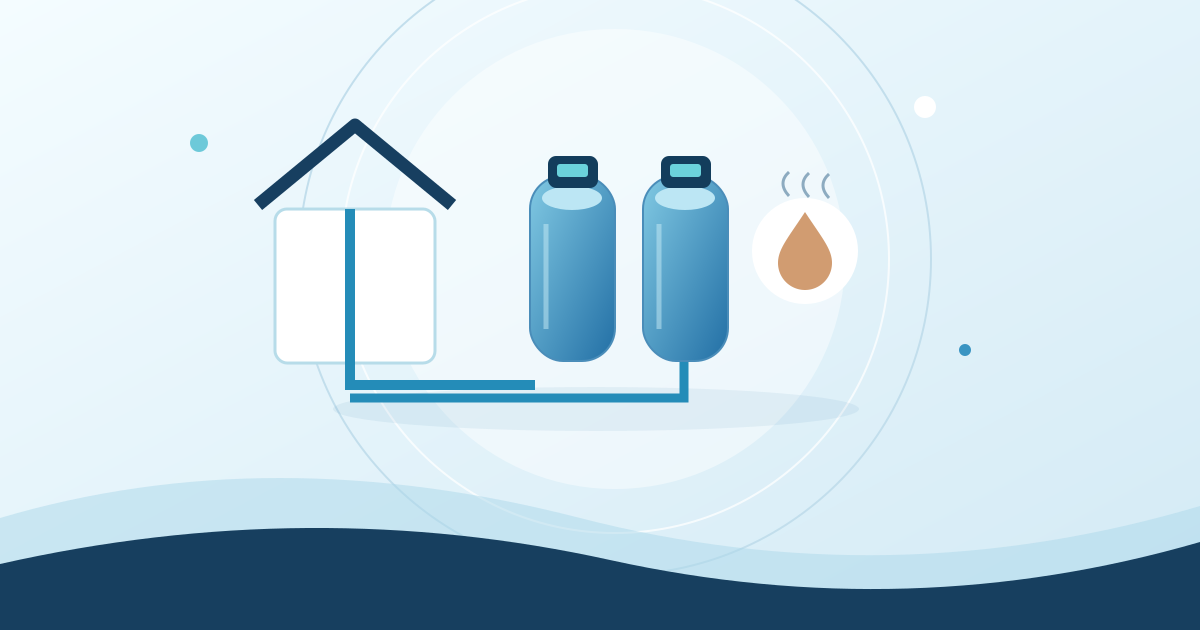
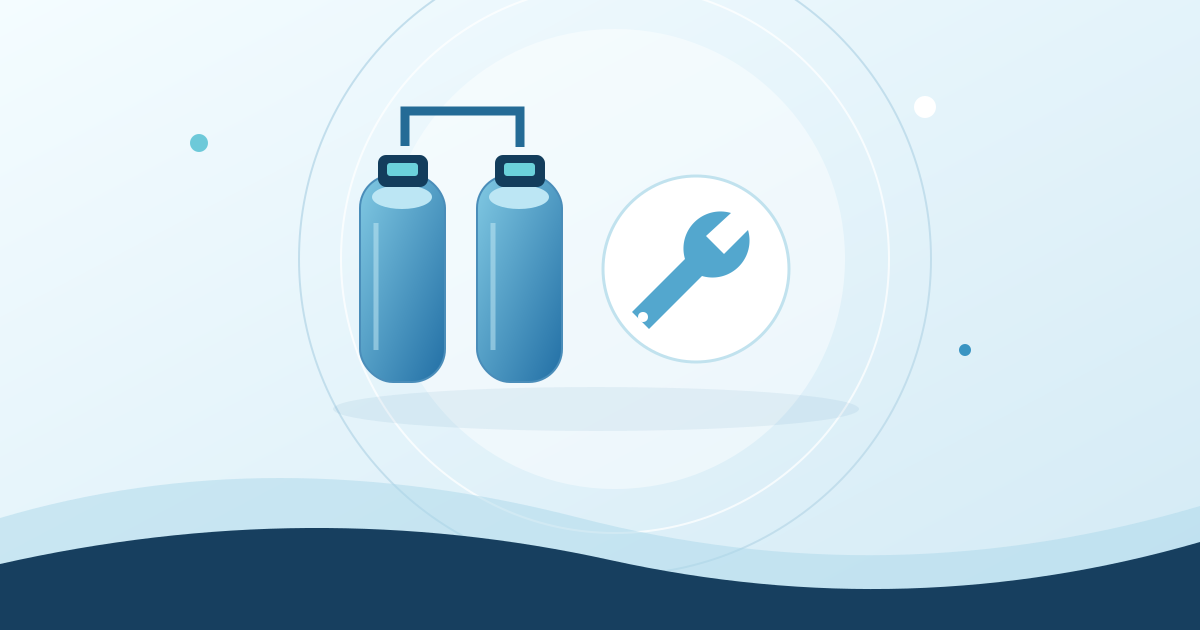
For businesses that run around the clock, a twin-tank softener is often the right choice. One tank stays in service while the other regenerates, so treated water never stops.
Plan for service before you install
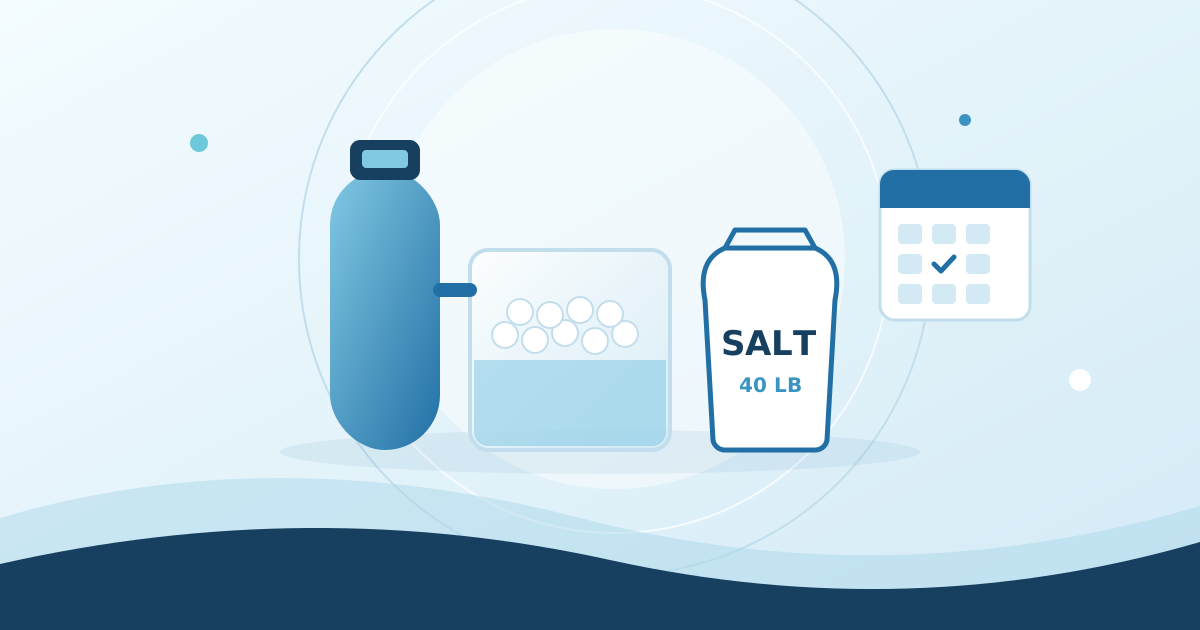
Commercial treatment only works if it's maintained. Filters load up faster in a busy kitchen, salt runs out sooner, and a skipped filter change can show up as a failed ice machine weeks later.
- Keep a service log on the equipment: dates, filter changes and salt fills
- Check softener salt weekly in high-use locations, or set up salt delivery
- Schedule filter and RO changes by gallons used or by calendar, whichever comes first
- Make sure staff know where the bypass valve is in case of a leak
Commercial installations may also need backflow prevention, permits or inspections depending on your city and county. A good installer builds those requirements into the plan instead of leaving them as a surprise.
How we approach commercial water
We're a father-and-son team, and we treat a cafe or an office building the same way we treat a family home: test first, then design.
- We check hardness and key water-quality indicators on site and explain when lab testing is needed.
- We look at your equipment, flow requirements and hours before sizing anything.
- You get a plain-English recommendation, a written estimate and a service schedule that fits your business.
Ready to protect your equipment? Explore commercial water treatment, request a free water quality check or call us at (561) 870-3810. We serve Palm Beach, Broward, Martin and Miami-Dade counties.
Frequently asked questions
Does my restaurant need a water softener?
If your ice machine, dishwasher, coffee equipment or water heater builds up white scale, hardness is likely costing you in repairs, descaling and energy. A water test shows how hard the water is, and from there a softener can be sized to your daily use and peak demand.
What water is best for espresso and coffee machines?
Coffee equipment works best with water that is filtered for chlorine and has controlled hardness, not water that is completely stripped of minerals. Many shops use a dedicated filter or a reverse osmosis system with remineralization. Check your machine manufacturer's water specifications, since warranty terms often depend on them.
Will a commercial softener shut off my water while it regenerates?
A single-tank softener is usually set to regenerate overnight, and it sends untreated water through while it does. For businesses that run around the clock, a twin-tank system keeps one tank in service while the other regenerates, so treated water is always available.
How often does commercial water treatment need service?
It depends on water quality and how much you use. Sediment and carbon filters are often changed every few months in busy kitchens, softener salt is checked weekly, and RO filters and UV lamps follow their own schedule. We set up a written service plan based on your actual usage.
Our business is on a private well. Is that different?
Yes. Well water usually needs more treatment, such as iron and sulfur removal. And if your well serves enough people, for example a business that serves 25 or more people at least 60 days a year, it may be regulated as a public water system with its own testing rules. Check with your county health department.
Sources
Clear recommendations, a written estimate and support after installation.
Let’s talk about your water ↗General guidance. Treatment recommendations depend on your water, equipment and test results. About water testing.